

The short answer
Most homes in the Sacramento Valley do well with two professional visits a year: one in spring before the serious cooling season starts, and one in fall before the first cold nights. That schedule lines up with how hard local systems actually work here, with air conditioners running almost continuously for weeks at a time in summer and furnaces getting a real workout during the Valley's cooler, foggier winter stretches. Twice a year isn't an arbitrary number; it matches the two seasons that stress the equipment most.
Why twice a year makes sense here
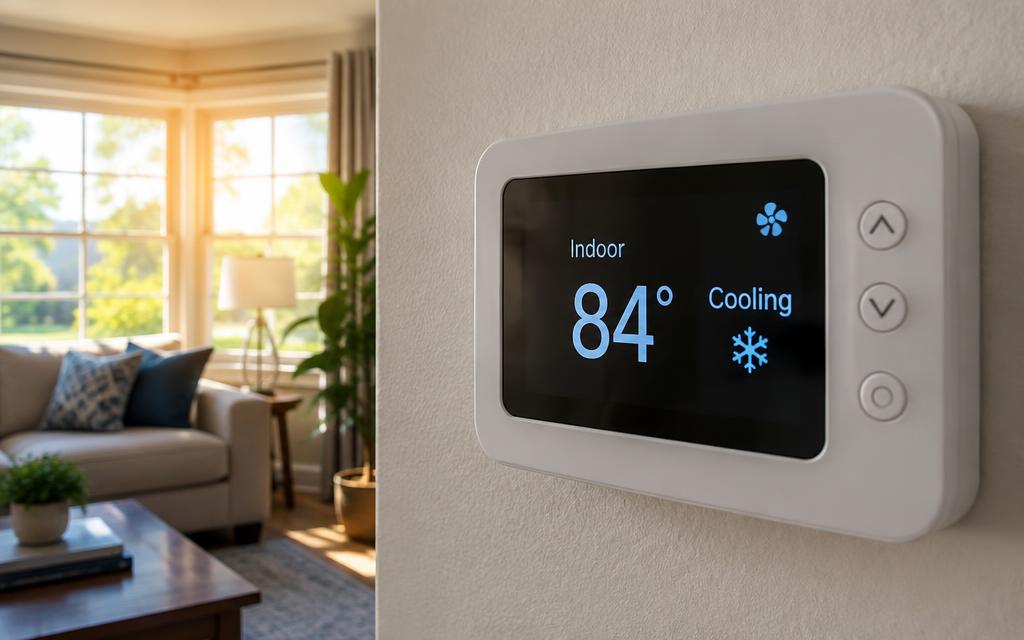
A Sacramento Valley summer regularly pushes past 100°F for days or weeks at a stretch, and that kind of sustained heat is genuinely harder on an air conditioner than the milder swings a lot of national maintenance guidance assumes. Compressors run longer per cycle, electrical components run hotter, and condenser coils collect more dust from the area's dry summer air. A spring tune-up catches a weak capacitor or a low refrigerant charge before the first heatwave, instead of in the middle of one.
Winters here are milder than much of the country, but furnaces still get real use, and the parts that fail (igniters, flame sensors, condensate drains) fail from age and cycling, not from cold weather specifically. A fall check catches those before the first genuinely cold night of the year, which is exactly when you don't want to discover a problem.
What happens if you skip maintenance
A system can lose performance gradually when a filter or coil becomes loaded, airflow is restricted or a component develops a fault. Refrigerant does not routinely get used up, so a confirmed charge problem needs investigation rather than a scheduled top-off. Rising bills are a reason to compare usage, weather and rates as well as equipment condition. Maintenance creates a chance to inspect and measure performance, but it cannot promise a particular saving or predict every failure.
Deferred maintenance can allow a small airflow or drainage problem to continue unnoticed. That does not mean every skipped visit causes an expensive failure, but it does remove an opportunity to find issues while the equipment still operates. Compare the actual maintenance scope and price with your equipment’s condition, rather than a generic savings claim. If repeated failures are occurring, discuss Full System Replacement separately from maintenance. A tune-up is not a substitute for diagnosing a known fault, and replacing a unit is not automatically justified by an overdue service date.
What a real tune-up actually includes
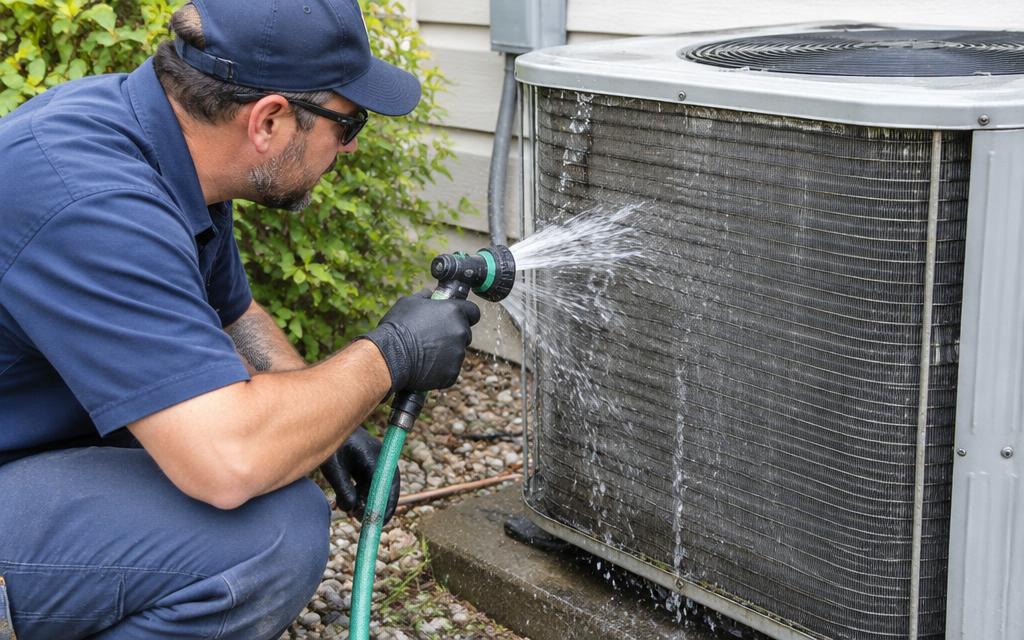
A proper seasonal visit is more than a quick filter swap. For cooling season, a technician should check refrigerant charge against manufacturer specifications, clean the condenser coil, test capacitor and contactor performance, inspect electrical connections for corrosion, check the blower motor and belt if applicable, and verify the thermostat is communicating correctly with the system.
For a gas furnace, ask whether the visit includes ignition and safety-control checks, evaluation of accessible heat-exchanger condition, venting checks and condensate drainage where applicable. The exact scope depends on the design, access and manufacturer’s procedure. Some findings require a separate repair or more detailed testing. A visit’s duration alone does not prove its quality. What matters is a clear checklist, relevant measurements and an explanation of anything that was not inspected or could not be tested safely.
Filters need attention more often than twice a year
Professional maintenance twice a year doesn't replace regular filter changes in between. Most homes should check or change filters every one to three months, and that interval shortens if you have pets, run the system nearly continuously through a hot summer, or live somewhere with a lot of dust or nearby agricultural activity. A dirty filter restricts airflow, which is one of the most common causes of both weak cooling and a frozen coil, and it's the one piece of maintenance you can easily do yourself between professional visits.
Signs you need service sooner than your next scheduled visit
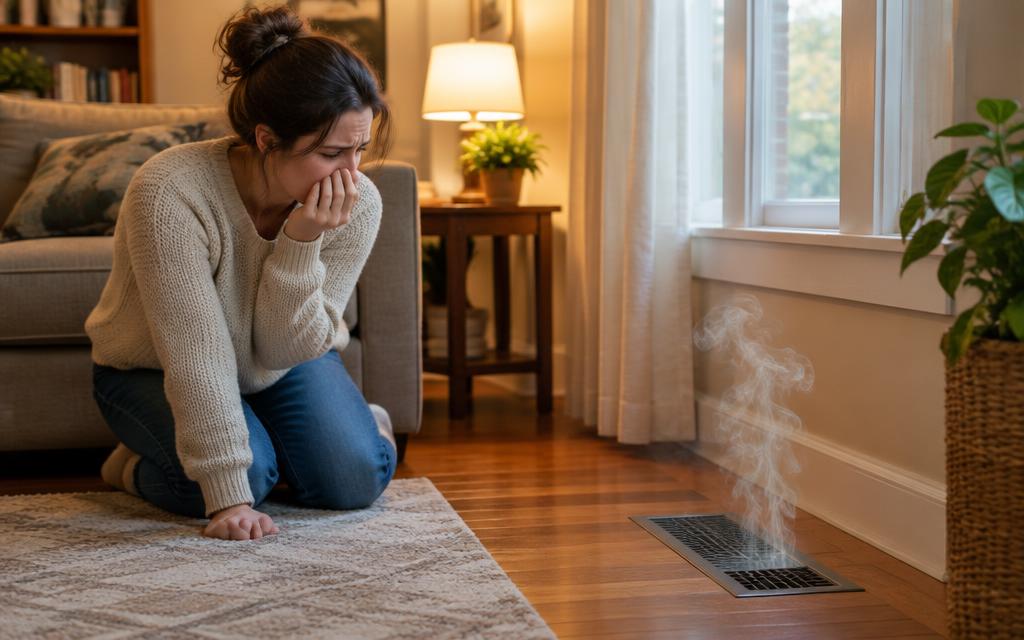
Don't wait for your next seasonal visit if you notice warm air from the vents, unusual noises like grinding, squealing, or banging, a musty or burning smell, water pooling near the indoor unit, short cycling where the system turns on and off more frequently than normal, or a utility bill that's jumped without an obvious reason like a heatwave. Any of these point to something that's already gone wrong, not something preventive maintenance would catch in advance.
How age changes the equation
Age helps you plan, but it does not create a universal new maintenance interval or a replacement deadline. Follow the manufacturer’s guidance, account for usage and use findings from previous visits. Equipment with recurring problems may need repair assessment before the next seasonal appointment. New equipment still needs appropriate upkeep. If an older system is becoming costly to maintain, compare specific repair options with Full System Replacement using written estimates and the household’s plans, not age alone.
Renters, landlords, and multi-unit properties
If you manage a rental property, consistent seasonal maintenance matters even more, since a system failure in a tenant's home during a heatwave is both a comfort and liability issue. Keeping dated service records also helps during any dispute over whether equipment was properly maintained, and it tends to extend the life of the equipment you're financially responsible for across multiple units.
Spring versus fall: different checklists for different stress
It's worth understanding that a spring visit and a fall visit aren't the same checklist run twice. The spring visit is weighted toward the cooling system: refrigerant charge, condenser coil cleaning, capacitor testing, and confirming the system can handle the sustained high-heat days ahead. The fall visit shifts weight to combustion safety and ignition: heat exchanger inspection, igniter or pilot testing, gas pressure, and condensate drain clearance on high-efficiency units. Scheduling both, rather than only ever doing one or the other, is what actually covers the full range of what can go wrong across a full year in this climate.
Indoor air quality and maintenance overlap
Regular maintenance visits are also a natural time to talk about indoor air quality, especially during wildfire smoke season when outdoor air quality can swing sharply over a day or two. A technician checking your system can flag whether your filtration setup is adequate for smoke events or whether an added purification or filtration upgrade would help, which is a conversation worth having proactively rather than during an actual smoke event when everyone in the area is calling at once. If that's a concern for your household, ask about Indoor Air Quality options during your next scheduled visit.
Commercial and business properties
Businesses that rely on their heating and cooling for customer comfort or for protecting inventory, like restaurants, retail spaces, or server rooms, have even less room for an unexpected breakdown. For commercial properties, maintenance intervals sometimes need to be more frequent than the standard twice-a-year residential schedule, particularly for systems that run longer hours or serve spaces with higher occupancy and heavier filtration demands. If that describes your property, it's worth discussing a custom maintenance interval rather than defaulting to the residential standard.
Beyond interval, commercial maintenance visits often need to document compliance for insurance or lease requirements, which is another reason to keep consistent, dated service records rather than calling only when something breaks.
If you're not sure which category your property falls into, a technician can walk the space with you during a first visit and recommend an interval based on actual usage patterns, square footage, and occupancy rather than a generic rule of thumb.
What a membership or maintenance plan adds
Chill’s Membership Program is listed at $198 per year, with two seasonal maintenance visits, priority scheduling, 10% off repairs or replacements and the earliest available response window for members. Review the current membership details with the team before joining so the included services fit your equipment and needs. A plan can make scheduling and yearly budgeting easier, but it does not guarantee that equipment will never fail or that every repair is included. Keep the same filter checks and symptom awareness between visits that you would use without a membership.
What to ask your technician at each visit
A good technician should be able to tell you, in plain terms, the refrigerant charge reading compared to spec, the condition of the capacitor, and whether anything is trending toward failure even if it's not an emergency yet. Ask for a written summary of what was checked and what, if anything, is worth watching. That record also becomes useful history if you ever need warranty work or you're deciding between repairing and Full System Replacement an ageing system.
Buying or selling a home
During a home sale or purchase, Licensed Inspections address a different question from routine seasonal upkeep. An inspection documents present equipment condition, operation and findings in a written report, with limitations noted. It cannot guarantee a specific number of years remaining or predict every future breakdown. If you need documentation for a transaction, ask for the inspection scope and reporting timeline rather than assuming a standard maintenance receipt will satisfy that need.
Frequently asked questions
Is once a year enough for maintenance? In a climate with mild winters and mild summers, maybe. In the Sacramento Valley, where both the cooling and heating seasons put real strain on equipment, twice a year gives you a much better chance of catching problems before they become breakdowns.
What's the actual cost difference between maintenance and a breakdown? A seasonal tune-up typically runs well under what a single major component repair costs, and it's a fraction of a full system replacement. The real savings come from catching a failing part before it takes out a more expensive one alongside it.
Can I do maintenance myself? You can and should handle filter changes and keeping the area around your outdoor unit clear of debris and vegetation. Refrigerant checks, electrical component testing, and combustion safety checks require training and equipment that go beyond a homeowner checklist.
Does new equipment still need maintenance? Yes, follow the manufacturer’s maintenance schedule and keep service records even while the equipment is new. Read the actual warranty terms for your model; requirements and exclusions vary, so do not assume every warranty requires the same number of visits. Filter condition, drainage and unusual symptoms still deserve attention between appointments. A new installation does not eliminate the need to notice changes in performance.
What should I do if my system is making noise or running poorly right now? Don't wait for a scheduled visit. Call for AC Repair or Heater Repair depending on the season, since those symptoms usually mean something already needs attention rather than something preventive maintenance alone would fix.
A useful next step
For a related decision, read our guide to preparing your home’s filtration for wildfire smoke. Bring the observations, equipment details and any previous service records to your conversation with Chill. If you need an assessment, contact the team to describe the problem and confirm the appropriate service. These guides support informed questions, not remote diagnosis; equipment-specific testing remains the basis for deciding what work is needed.
Sources
The U.S. Department of Energy’s Consumer Guide to Home Heating and Cooling explains seasonal upkeep, equipment sizing, filters and duct airflow. Its older efficiency examples are background information, not current product requirements or a savings promise.

Written by Cameron Hill
Owner and licensed technician, Chill Heating & Air · CA Lic. #1115420